
Animist Psychology
Healing Earth, Psyche, and Culture
Curious to know more about Animist Psychology before the course begins?
12 Tuesdays beginning April 28
11:30am Vancouver | 2:30pm New York | 20:30 Berlin
About the Course
Psychology gives us language for our inner lives and relationships. Ancestral and cultural healing move us beyond individualism and toward deeper belonging. Animist ethics remind us that we’re entangled with many other-than-human kin, each carrying their own wisdom. And ritual arts widen the view to include the unseen, offering tools for navigating complex relationships.
In short: it’s all relational, cultural, ancestral, ecological—and yes, psychological, too.
This newly enlivened 12-session course (formerly eight) weaves these perspectives to illuminate what modern psychotherapy training so often overlooks: the wider field of relations, forces, and generational legacies that shape our lives. This course is a survey of essential healing themes likely excluded from your standard psychology syllabus and will introduce you to a much more expanded understanding of psyche, self, and mental health.
Across twelve lessons, you’ll learn new frameworks, expand your skills, and build confidence, so your healing services can become more dynamic and effective.
Animist psychology arises at the intersection of
ritual arts, psychology, cultural healing, and love of the Earth.
– Daniel Foor
Learn to identify and embody alternatives to reductionist, colonialist approaches to the human psyche common in Western psychology.
Leave with a more culturally and spiritually inclusive framework for healing that releases extreme individualism and gets better client outcomes.

Acquire greater confidence and clarity with complex states, harmful energies, possession-like dynamics, and culturally situated trauma.
Enjoy abundant support from mental health professionals and other learners bringing a decolonial, Earth-honoring approach to practice.
Course Overview
Over twelve sessions, we’ll dive into where psychology intersects with animist worldviews, ritual arts, cultural diversity, spiritual emergence, and the broader community of other-than-human relations that shape our inner lives.
You’ll explore alternative understandings of the self beyond extreme individualism; engage lineage-based approaches to trauma and resilience; and consider how attachment, intimacy, and belonging unfold not only with humans, but also with land, ancestors, and the sacred. Together we’ll investigate spiritual crises, possession states, harmful forces, and the limits of a purely materialist lens—topics often mishandled or simply ignored in most clinical mental health training.
Rather than ask you to abandon psychological rigor, this course expands it. You’ll gain conceptual clarity, ethical grounding, and practical skills to make your work more culturally attuned and grounded in the sacred. Expect to learn relational, inclusive approaches to healing that are more able to meet the complexity of our times.
This course is for therapists, caregivers, ritualists, and anyone on a path of healing who senses that mainstream psychology, while valuable, does not fully account for the relational, ancestral, and ecological dimensions of this human experience.

12 live teaching calls led by Daniel Foor

18 hours of pre-recorded lessons you’ll have access to forever

12 additional live support calls
Small breakout sessions with trained ritualists
More than 24 substantive guided experiential practices

Extensive carefully curated resources to accompany lessons

Access to a dedicated community discussion space

Unlimited access to recordings and course materials
Course Curriculum
1
2
3
4
5
6
7
8
9
10
11
12
Lesson One: Animism, Colonialism, and Earth-Honoring Psychologies
- Identify alignments and tensions between psychology and animist values
- Explore animist epistemologies as key to a more relational psychology
- Situate psychology amidst ongoing legacies of European supremacies
- Practice honoring your deep, innate knowing about psyche and relationships
- Enjoy resources from Indigenous and other animist clinicians
Live Call Theme: Culturally Reclaiming Psychological Theory and Practice
Lesson Two: Individualism, Parts Work, and Contours of the Self
- Consider the impacts of extreme individualism, including in psychology
- Examine the promise and limitations of popular “parts work” approaches
- Practice reframing individual challenges as ancestral, cultural, and ecological
- Reflect on implications of and alternatives to individualism in psychotherapy
- Enjoy resources on liberatory psychology without extreme individualism
Live Call Theme: Alternatives to Individualism in Psychotherapy
Lesson Three: Ancestral Healing, Trauma, and Resilience
- Learn ways to work with the ancestral and lineage aspects of trauma
- Identify cross-cultural strategies for transforming trauma into resilience
- Reflect on acquired resilience and how animist values can support healing
- Practice inviting ancestral support in framing trauma as systemic, societal
- Enjoy resources on healing justice from somatic-oriented therapists
Live Call Theme: Calling on Ancestral Support for Psychological Healing
Lesson Four: Attachment Theory, Intimacy, and Loving the Earth
- Explore parallels in relational dynamics with humans and the others
- Consider attachment theory in light of bonds with land and the Sacred
- Discuss strategies for loving deeply amidst ongoing ecological catastrophe
- Engage in a practice of valuing and tending to bonds with our extended kin
- Enjoy resources on the intersections of attachment/bonding and the Earth
Live Call Theme: Community and Land, Exile and Belonging
Lesson Five: Personality, Ego Inflation, and Possession States
- Distinguish personality from disorder, healthy ego from inflation
- Clarify helpful/intentional from harmful/undesired possession states
- Explore psychological vulnerabilities as openings to archetypal forces
- Practice identifying and uncoupling from a source of possession
- Enjoy resources on archetypal possession and spiritual emergency
Live Call Theme: Working with Possession States in Psychotherapy
Lesson Six: Spirit Contact, Psychosis, and Consensus Reality
- Explore seemingly incompatible versions of consensus reality
- Cultivate nuance and humility on the subject of psychosis and spirits
- Extend prayer and respect to those already lost to the deep waters
- Practice honoring limits to our nervous system and cognitive function
- Enjoy resources from spirited clinicians on acute mental illness
Live Call Theme: Revisiting Psychosis in Light of Extreme Individualism
Lesson Seven: Initiation, Spiritual Emergence, and Rites of Passage
- Consider the cultural importance of initiation and rites of passage
- Explore ways people are meeting these needs outside of psychology circles
- Learn ways that psychology can usefully support major spiritual openings
- Practice reflecting on your own life experiences and ongoing needs here
- Enjoy resources on contemporary rites of passage and spiritual emergence
Live Call Theme: Skills for Navigating Intense Spiritual Transformation
Lesson Eight: Sociopathy, Harmful Spirits, and Malevolence
- Reach for common language on harmful spirits, curses, and psychic attack
- Explore impacts of fear and cultural bias when addressing malevolence
- Consider systemic harm as a type of interference from troubled powers
- Kindly review your life in a way that respects the reality of malevolence
- Enjoy Indigenous and animist resources on danger and big trouble
Live Call Theme: Envision a Ritually Aware and Empowered Psychotherapy
Lesson Nine: Belonging, Ecopsychology, and Becoming a Place
- Consider the psycho-spiritual implications of home and belonging
- Explore the strengths and limits of eco-psychology as animist praxis
- Identify responsible ways for settlers to enjoy local Earth relationships
- Practice disrupting false human-nature and culture-nature dichotomies
- Enjoy resources on heart-aware decolonization and becoming a place
Live Call Theme: Composting Human Supremacy in Psychotherapy
Lesson Ten: Suffering, Rupture, and the Forging of Character
- Consider the process by which suffering becomes medicine and wisdom
- Explore useful parallels between therapists and traditional healers
- Envision a psychology that can minister to profound injustice and hardship
- Reflect in guided practice on your capacity and limitations with suffering
- Enjoy resources on resilience from those who have lived extreme hardship
Live Call Theme: Companioning the Sorrow of the World
Lesson Eleven: Altered States, Psychedelics, and Therapeutic Ritual
- Consider the critical importance of work with altered or diverse states
- Introduce some of the benefits and risks of using psychoactive medicines
- Examine issues of respect and cultural bias with altered states and entheogens
- Reflect on critical aspects of training to guide others in work with altered states
- Enjoy resources from Buddhist, Muslim, and transpersonal psychotherapists
Live Call Theme: Work with Altered States and Psychoactive Medicines
Lesson Twelve: Uprooting Supremacist Influences in Healing Arts
- Explore different frameworks for a long-term ethic of service and relatedness
- Celebrate the foundations of healthy psyche in your ancestral cultures of origin
- Recognize the need for courage to transform institutional stuckness
- Practice identifying ways to deepen your path of personal cultivation
- Enjoy hopeful, inspiring resources from culturally encouraging clinician
Live Call Theme: Psychology as Full Participant in Cultural Healing Work









Lesson One: Animism, Colonialism, and Earth-Honoring Psychologies
- Identify alignments and tensions between psychology and animist values
- Explore animist epistemologies as key to a more relational psychology
- Situate psychology amidst ongoing legacies of European supremacies
- Practice honoring your deep, innate knowing about psyche and relationships
- Enjoy resources from Indigenous and other animist clinicians
Live Call Theme: Culturally Reclaiming Psychological Theory and Practice
Lesson Two: Individualism, Parts Work, and Contours of the Self
- Consider the impacts of extreme individualism, including in psychology
- Examine the promise and limitations of popular “parts work” approaches
- Practice reframing individual challenges as ancestral, cultural, and ecological
- Reflect on implications of and alternatives to individualism in psychotherapy
- Enjoy resources on liberatory psychology without extreme individualism
Live Call Theme: Alternatives to Individualism in Psychotherapy
Lesson Three: Ancestral Healing, Trauma, and Resilience
- Learn ways to work with the ancestral and lineage aspects of trauma
- Identify cross-cultural strategies for transforming trauma into resilience
- Reflect on acquired resilience and how animist values can support healing
- Practice inviting ancestral support in framing trauma as systemic, societal
- Enjoy resources on healing justice from somatic-oriented therapists
Live Call Theme: Calling on Ancestral Support for Psychological Healing
Lesson Four: Attachment Theory, Intimacy, and Loving the Earth
- Explore parallels in relational dynamics with humans and the others
- Consider attachment theory in light of bonds with land and the Sacred
- Discuss strategies for loving deeply amidst ongoing ecological catastrophe
- Engage in a practice of valuing and tending to bonds with our extended kin
- Enjoy resources on the intersections of attachment/bonding and the Earth
Live Call Theme: Community and Land, Exile and Belonging
Lesson Five: Personality, Ego Inflation, and Possession States
- Distinguish personality from disorder, healthy ego from inflation
- Clarify helpful/intentional from harmful/undesired possession states
- Explore psychological vulnerabilities as openings to archetypal forces
- Practice identifying and uncoupling from a source of possession
- Enjoy resources on archetypal possession and spiritual emergency
Live Call Theme: Working with Possession States in Psychotherapy
Lesson Six: Spirit Contact, Psychosis, and Consensus Reality
- Explore seemingly incompatible versions of consensus reality
- Cultivate nuance and humility on the subject of psychosis and spirits
- Extend prayer and respect to those already lost to the deep waters
- Practice honoring limits to our nervous system and cognitive function
- Enjoy resources from spirited clinicians on acute mental illness
Live Call Theme: Revisiting Psychosis in Light of Extreme Individualism
Lesson Seven: Initiation, Spiritual Emergence, and Rites of Passage
- Consider the cultural importance of initiation and rites of passage
- Explore ways people are meeting these needs outside of psychology circles
- Learn ways that psychology can usefully support major spiritual openings
- Practice reflecting on your own life experiences and ongoing needs here
- Enjoy resources on contemporary rites of passage and spiritual emergence
Live Call Theme: Skills for Navigating Intense Spiritual Transformation
Lesson Eight: Sociopathy, Harmful Spirits, and Malevolence
- Reach for common language on harmful spirits, curses, and psychic attack
- Explore impacts of fear and cultural bias when addressing malevolence
- Consider systemic harm as a type of interference from troubled powers
- Kindly review your life in a way that respects the reality of malevolence
- Enjoy Indigenous and animist resources on danger and big trouble
Live Call Theme: Envision a Ritually Aware and Empowered Psychotherapy
Lesson Nine: Belonging, Ecopsychology, and Becoming a Place
- Consider the psycho-spiritual implications of home and belonging
- Explore the strengths and limits of eco-psychology as animist praxis
- Identify responsible ways for settlers to enjoy local Earth relationships
- Practice disrupting false human-nature and culture-nature dichotomies
- Enjoy resources on heart-aware decolonization and becoming a place
Live Call Theme: Composting Human Supremacy in Psychotherapy
Lesson Ten: Suffering, Rupture, and the Forging of Character
- Consider the process by which suffering becomes medicine and wisdom
- Explore useful parallels between therapists and traditional healers
- Envision a psychology that can minister to profound injustice and hardship
- Reflect in guided practice on your capacity and limitations with suffering
- Enjoy resources on resilience from those who have lived extreme hardship
Live Call Theme: Companioning the Sorrow of the World
Lesson Eleven: Altered States, Psychedelics, and Therapeutic Ritual
- Consider the critical importance of work with altered or diverse states
- Introduce some of the benefits and risks of using psychoactive medicines
- Examine issues of respect and cultural bias with altered states and entheogens
- Reflect on critical aspects of training to guide others in work with altered states
- Enjoy resources from Buddhist, Muslim, and transpersonal psychotherapists
Live Call Theme: Work with Altered States and Psychoactive Medicines
Lesson Twelve: Uprooting Supremacist Influences in Healing Arts
- Explore different frameworks for a long-term ethic of service and relatedness
- Celebrate the foundations of healthy psyche in your ancestral cultures of origin
- Recognize the need for courage to transform institutional stuckness
- Practice identifying ways to deepen your path of personal cultivation
- Enjoy hopeful, inspiring resources from culturally encouraging clinician
Live Call Theme: Psychology as Full Participant in Cultural Healing Work
Add Rituals for Healing Trauma
For a limited time, add this complementary four-part series to your purchase for 15% off.
In this course, teachings and practices will honor clinical understandings of post-traumatic stress in ways that are inclusive to the many forms of human suffering. The material supports any work that participants may be doing through psychotherapy, spiritual healing work, and advocacy for systemic change. It’s also designed to complement our Animist Psychology course. With courage and support, learning how to metabolize our wounds can lead to greater compassion, wholeness, and resiliencies forged from hardship.
Join our Waitlist
Register for Animist Psychology
3 and 6 month payment plans available at checkout at 0% interest.
Supporter
$
625
USD
-
This rate helps us make our work accessible to those with modest means and applies if you have investments, a retirement plan, and/or access to economic abundance.
Register Now
3- and 6-month payment plans are available during checkout.
Standard
$
550
USD
-
Our standard rate allows us to sustain our work. This typically applies if you’re employed in the Global North, and you’re able to provide for your needs in a consistent way.
Register Now
3- and 6-month payment plans are available during checkout.
Reduced
$
445
USD
-
This rate applies if you’re relatively less economically advantaged in the ways listed under “standard rate” or that cost is simply out of reach for you financially.
Register Now
3- and 6-month payment plans are available during checkout.
If none of these rates are accessible to you and you’re called to this work, we offer a limited number of partial scholarships.
Applications will close at on Friday, April 24. Replies may take multiple weeks to send, but all replies will be sent by Monday, April 27.
“Daniel is one of the most powerful teachers I have ever had the opportunity to learn from. I have three degrees, including two Master’s Degrees (one in Social Work), and I learned concepts, practices and ways of understanding from Daniel about people, the earth and life than I ever did in academia. Daniel blends his knowledge and lived experiences of both the clinical and non-clinical perspectives in this course, and teaches ways to connect with yourself and others from an animist perspective. He delves into Psychology, mental health and how the Western perspective is one limited way to approach life and working with others. His teachings are from an intersectional, inclusive, trauma-informed and respectful approach that helps people across all ages, genders, socio-economic situations, faiths, abilities, and ethno-cultural groups expand their knowledge to find a deeper meaning in life. This course makes space to explore tough issues such as colonialism in a dignified way, so all participants can work through it collectively while building a community of informed and compassionate people with resiliency. This course is one of a kind, and I highly recommend it for mental health providers, as well as anyone who is looking to deeply understand themselves, and the world better.”
– Phoenix R., Kitchener, Ontario, CA
“This course was exactly what I needed at this point in my life, intellectual, heartfelt, in-depth and provocative. So much was covered, and even though I did manage to keep up, I could probably redo it multiple times and always find something new requiring further digestion. It was truly unique and very engaging, managing a very tricky balance of content from what sometimes seemed like irreconcilable ways of thinking. Thank you.”
– Jim L., Melbourne, Australia
“This is an engaging and potentially challenging course that will take you deeper into the intersection of New Animism and the mental health field. I’d recommend this course for anyone in a helping profession as well as any and all unrepentant psychology nerds out there.”
– Caitlin M., Whiting, Indiana, USA
“As far as content, people practicing healing arts of any kind are wise to include this course in our education/training. It illuminates and honors absolutely necessary perspectives that are underrepresented in many practices (perhaps especially psychology). What is also incredibly impressive, and what really underlies and carries all the material (which is in itself invaluable) is the integrity with which Daniel teaches, creates space, and carefully invites us to participate in our own personal way(s). As well, his knowledge and experience provide a depth of understanding and variety of perspective that feels deeply grounded while still holding all the appropriate doors open for what is still to be explored.”
– Tecoya R., North Bonneville, Washington, USA
“This course has provided me with so much. Not just a way to bridge the gap between psychology and spirituality but the course also helped me in my own personal life. The content is easily digestible and both rich enough for a professional to find value, yet personable enough that someone without a background in psychology can understand the topics. I’m so happy I took this course and I will be taking more in the future.”
– Kaytea L., Aurora, Colorado, USA
Course Schedule
Pre-Recorded Lessons
- 12 pre-recorded lessons, 90 min each, released in three batches
- We recommend watching each lesson before each live call.
lIVE teaching calls
- 12 live weekly calls support the recorded lessons
- Tuesdays, beginning April 28 through July 14
- Call times are: 11:30am Vancouver | 2:30pm New York | 20:30 Berlin, 90 min each
Main teaching calls are live and support the pre-recorded lessons. They center around new, complementary course content (check out the “live call theme” for each lesson in the curriculum).
Each main call includes time for teaching, guided practice, and Q&A (the first 60 minutes) along with small breakout groups (the final 30 minutes) anchored by trained ritualists. All live teachings are recorded and available within 48 hours alongside the pre-recorded lessons. Breakout groups are not recorded or shared.
ADDITIONAL LIVE PRACTICE SUPPORT CALLS
- 12 live practice support calls on Thursdays, beginning April 30 through July 16
- Call times are: 1pm New York | 7pm Madrid
- Trained ritualists Catherine Dunne and Orson Morrison will anchor these calls, and you can read more about them below.
These hour-long calls, anchored by two experienced mental health professionals, are for course participants who wish to deepen their knowledge of course content, connect more on the themes covered in the recorded and live lessons, and to apply learning and share in discussion with peers. All course participants are welcome to attend. The format is largely Q&A along with a bit of guided practice. These calls will also be recorded and available alongside the pre-recorded lessons and main teaching recordings.
About the Instructors
Daniel Foor
Lead Teacher & Pre-Recorded Lessons
Daniel is a doctor of psychology, experienced ritualist, and the author of Ancestral Medicine: Rituals for Personal and Family Healing. He is an initiate in the Òrìṣà tradition of Yoruba-speaking West Africa and has learned from teachers of Mahayana Buddhism, Islamic Sufism, and the older ways of his English and German ancestors. Daniel is passionate about training aspiring leaders and change makers in the intersections of cultural healing, animist ethics, and applied ritual arts. He lives with his wife and two daughters near Granada, Spain in the foothills of the Sierra Nevada Mountains.
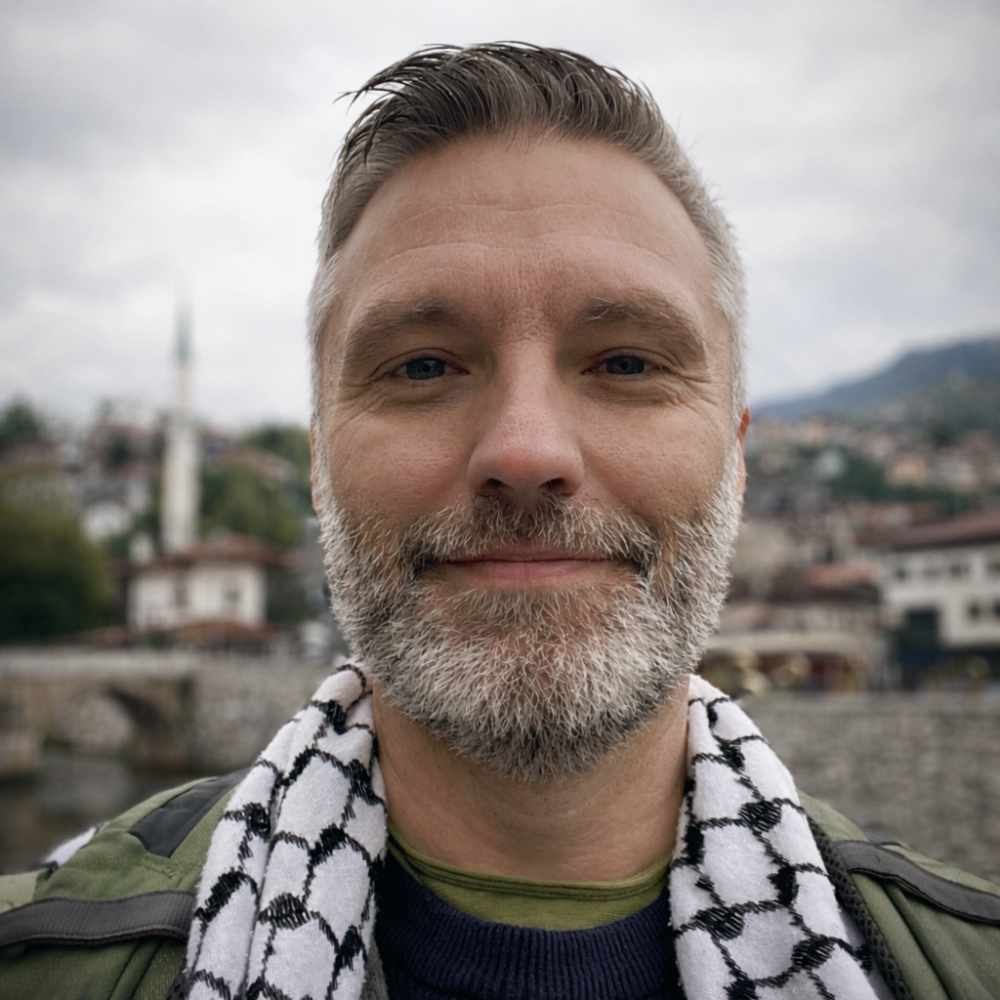
Orson Morrison
Practice Support Call Leader
Orson Morrison, a psychologist, healer and mindfulness practitioner, brings gifts of a diverse ancestry and well-honed skills to help to create a safe container supporting clients in addressing the heart-level intentions they bring to ancestral lineage healing. Orson is supported by ancestors who hail from Southern-African indigenous populations, indentured workers brought to the South-African Cape from South-Asia and the Indonesian archipelago, Central-Africans, West-Africans brought to the Caribbean as slaves, indigenous populations from Guyana, European settlers, slave-owners and those who fled religious persecution. Orson lives on the land of the Council of the Three Fires near Chicago, IL.
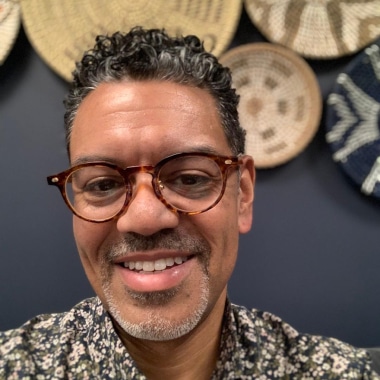
Catherine Dunne
Practice Support Call Leader
Catherine Dunne, MA has over three decades of trauma-informed experience as a psychotherapist, supervisor and Movement Medicine teacher. Her passion and service in the world is rooted in embodied relationship – with ourselves, with other human folk, with our ancestors, and with the other-than-humans. Born and raised on traditional Lenape lands now known as Queens, New York, all eight of her great-grandparents are from Cork, Kerry, and Tipperary in southern Ireland, and for the last thirty years Catherine has been living on her ancestral lands in Cork.
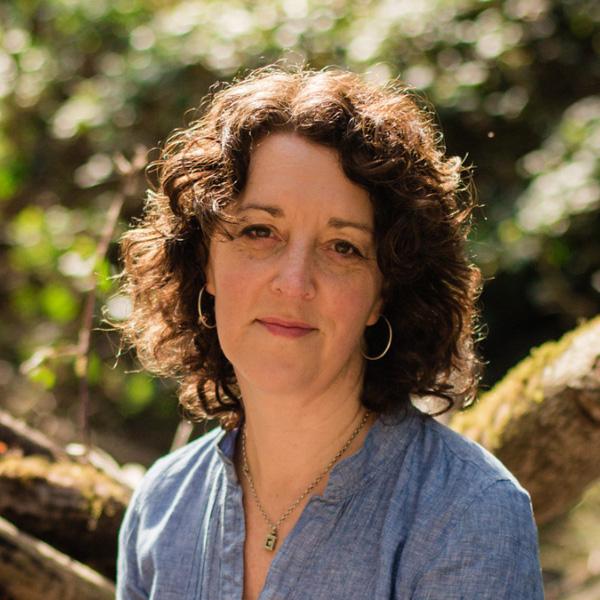
Ashira Darwish
Guest Speaker
Ashira is a Palestinian motivational speaker and investigative journalist from East Jerusalem and creator of Ashira Active Meditation — a trauma integration modality rooted in embodied movement, ancestral wisdom, liberation psychology, and neuro-somatic healing. Her work serves as a lifeline for those navigating war, displacement, and intergenerational trauma, particularly among Palestinian communities, and her approach blends active meditation, Sufi practices, and trauma-informed movement into a culturally rooted, justice-centered modality. Through her initiative Catharsis Holistic Healing, Ashira has trained over 200 practitioners in the Arab world while offering free support to communities in crisis — from Gaza to refugee camps, classrooms to the frontlines of resistance.

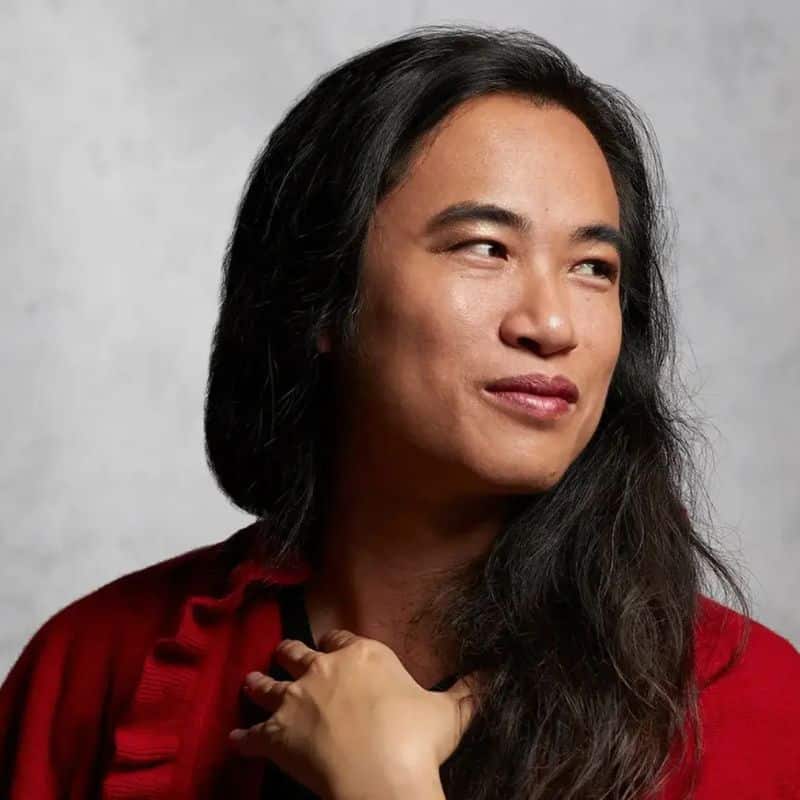
Kai Cheng Thom
Guest Speaker
Kai Cheng is a Chinese-Canadian writer, poet, performer, and community healer based in Toronto and known for her work on queer/trans rights, mental health, and transformative justice. She holds a Master’s degree in Social Work from McGill University and has worked as a psychotherapist, somatic sex educator, clinical hypnotherapist, and mediator. She is a practitioner of “Loving Justice,” a method she developed for conflict transformation and healing within communities and the author of Falling Back in Love With Being Human: Letters to Lost Souls (2023).
Frequently Asked Questions
To the very best of our ability, yes. All Ancestral Medicine offerings seek to embody an anti-racist, feminist, LGBTQ-celebrating, decolonizing, and Earth-honoring ethic. They are also class-aware and internationally conscious. We offer a heartfelt, non-dogmatic approach that seeks to honor each participant’s unique life experiences and ancestral storylines. Resources included with each lesson favor ancestrally and geographically diverse voices.
The course is designed to serve practitioners of ritual arts, mental health professionals, and anyone drawn to the meeting place of psychology, the sacred, and love of the Earth. While it’s open to a wide audience, it’s especially crafted for those with some background in mental health or healing arts more generally who want to engage the dimensions of Earth, psyche, and culture that conventional psychology rarely touches.
This said, all are very welcome! The course recordings and resources are designed to be accessible and to build bridges across disciplines and cultures. If you work in mental health, or have studied or practiced in some way, but are new to animism or ritual, you’ll still find the material grounded and useful—even if a few spiritual concepts feel unfamiliar at first. We recommend reading over the curriculum on this page to get a feel for the kinds of themes we’ll explore.
Yeah, you can expect to learn new skills. For each of the twelve lessons there are over three hours of content (60 to 90min pre-recorded lesson, 60min main call plus small groups after, and a 60min practice support call). In each of the three elements (one lesson plus two calls) there will be experiential practice in some way as well as discussion of how theory and teachings are applied in all three. The main live call and the practice support call will both include time for Q&A along with the option to write-in questions. That said, it’s important to not mistake the course space as a substitute for professional supervision that really allows for full care and nuance.
All our live calls are held via Zoom. Shortly after you register, you’ll receive a welcome email with instructions for locating this event – and its call information – in your Ancestral Medicine account. There’s no need to wait for that email, however. Registration automatically enrolls your Ancestral Medicine account in the event and places it in your Student Dashboard.
All live teaching calls will be recorded and made available 24-48 hours later in the course portal to watch and listen to at your leisure, with indefinite access.
All of our lesson videos have auto-generated English subtitles, as well as downloadable audio-only versions of the lessons. If you have needs not met here, please feel free to reach out to us with suggestions at info@ancestralmedicine.org.
Should you wish to withdraw from a live online course or shift your registration to a future iteration, please contact us at info@ancestralmedicine.org to request a full refund within the refund window of that specific course. For our 12-week courses, you can request a refund up to 2 weeks after the course start date.
Have a question that’s not answered here?